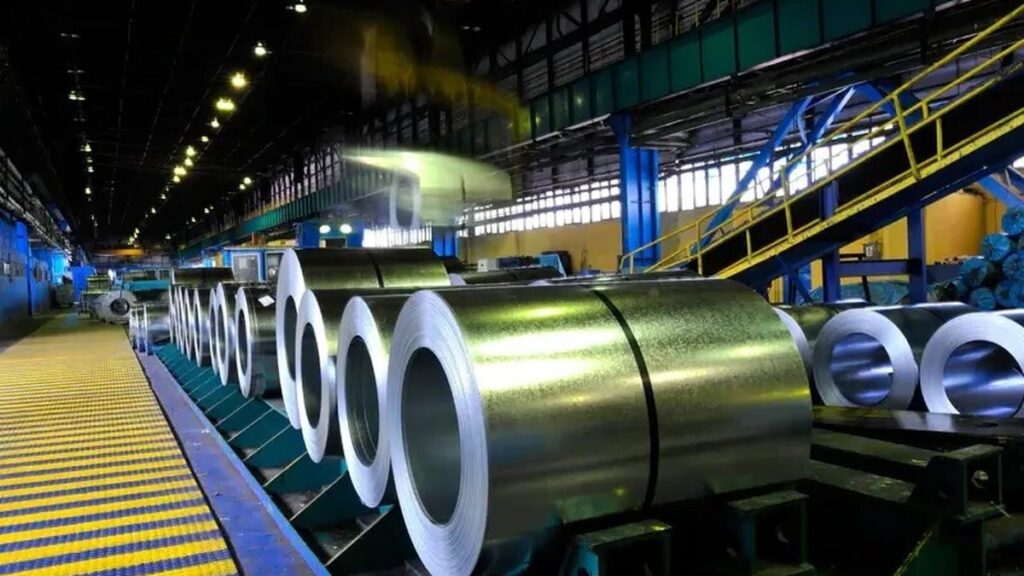
A former plating line, a fuel tank pulled out years ago, a truck shop with a floor drain: plenty of industrial buildings carry some environmental history. If yours does, you are not the first owner to wonder whether it can still be sold, and what a buyer will want to see. Most of what a careful buyer does next is written down in federal rules, and knowing those rules takes much of the mystery out of the process. Deferred maintenance, an old roof, needed repairs, environmental questions — none of that rules a property out on its own.
This post walks through the process from the seller’s side: why a buyer orders a Phase I report, what the federal liability protections are, what the environmental professional will ask you, and which state cleanup programs may matter. It is general information, not legal advice.
Why Buyers Care About Who Owned the Property
According to the EPA, under the federal Superfund law (CERCLA), the owner or operator of a contaminated property could historically be held responsible for its cleanup based solely on current ownership. The EPA also says that persons may be held strictly liable for cleaning up hazardous substances at properties they currently own or operate, or owned or operated in the past. As a result, buyers of contaminated properties were often worried about taking on Superfund liability once they owned the property.
In 2002, Congress amended CERCLA, added new landowner liability protections and clarified the existing innocent landowner protection. The EPA names three kinds of protected parties: bona fide prospective purchasers, contiguous property owners and innocent landowners. The EPA calls these protections self-implementing, which means a landowner does not need the EPA or a court to confer them and only has to comply with the requirements of the statute.
For a seller, the bona fide prospective purchaser protection is worth knowing: the EPA says such purchasers may buy property with knowledge of contamination, provided they bought after January 11, 2002 and meet the criteria set in CERCLA. In other words, knowing about contamination does not by itself keep a buyer from that protection.
Why Industrial Buyers Order a Phase I Report
To claim any of those protections, the EPA says a buyer must conduct All Appropriate Inquiries before acquiring the property and comply with all continuing obligations afterward. The EPA describes All Appropriate Inquiries, or AAI, as the process of evaluating a property’s environmental conditions and assessing potential liability for any contamination. The rule is the AAI Final Rule at 40 CFR Part 312, and the EPA says the ASTM International standard E1527-21 for the Phase I environmental site assessment is consistent with it and can be used to satisfy the statutory requirements for conducting AAI. That is the link between a federal liability rule and the report your buyer orders before closing.
Much of the work must be done by, or under the supervision of, an environmental professional, whom the rule defines by education, training and relevant experience; one route is a state or tribal license plus three years of full-time work experience.
The protection a buyer claims comes with conditions of its own. Under the statute’s definition of a bona fide prospective purchaser, the conditions include that all disposal of hazardous substances at the facility occurred before the person acquired it, that the person provides all legally required notices, and that the person takes reasonable steps to stop any continuing release and prevent any threatened future release. That is one reason an active leak matters to a buyer: these conditions are about a release that is still going on.
What the Environmental Professional Will Ask You
The EPA’s list of required activities starts with interviews with current and past owners, operators, and occupants, so expect to be asked about your own years at the property. Here is more of what the inquiry covers.
- The records review. A review of historical sources of information and of federal, state, tribal and local government records.
- A site visit. A visual inspection of the facility and adjoining properties.
- Other interviews. For an abandoned property, one or more neighboring property owners are interviewed.
- The buyer’s own checks. Searches for environmental cleanup liens, any specialized knowledge or experience the buyer has, and the relationship of the purchase price to the fair market value of the property if it were not contaminated.
- A signed report. The results go into a written report signed by an environmental professional, and if the professional has an opinion on additional appropriate investigation, the report must include it.
The EPA’s suggested report outline also shows who may be interviewed, such as the current property owner and occupants, a site manager, attorneys and past site owners, and how, whether in person, in writing or by telephone. A findings section could list recognized environmental conditions, historical recognized environmental conditions and de minimis conditions. Those are the labels you are likely to see in the report.
Timing: Why an Old Report Is Not Enough on Its Own
The EPA says All Appropriate Inquiries must be conducted or updated within one year before the date of acquisition, and the interviews, government records review, site inspection and lien searches within 180 days before the buyer acquires ownership. So a report done for you years ago does not replace the buyer’s own inquiry. It still has value: the EPA’s suggested outline lists prior investigation reports, tank and transformer inventories, spill records and permits among the environmental record sources an inquiry may review. The rule also calls for identification of any significant data gaps, so papers you can hand over early leave fewer gaps for the professional to report.
What to Gather Before a Buyer Asks
- Your old reports. Any environmental report done on the property, even a short or old one, and any letter a state agency sent about it.
- Your tank records. Any records of underground or aboveground tanks, including tanks that were removed or closed.
- Your spill and permit files. Any spill reports, permits and inspection notes you still have.
- Your use history. A plain list of who used the building, for what, and about when.
- Your cleanup paperwork. If a past cleanup went through a state program, the final letter or certificate that closed it.
If You Learned of a Problem While You Owned It
One part of the federal definitions speaks to sellers directly. In Title 42, section 9601, of the U.S. Code, that part says that if the defendant in a federal cleanup case obtained actual knowledge of a release or threatened release of a hazardous substance while owning the property, and then transferred ownership to another person without disclosing that knowledge, that defendant is treated as liable under section 9607(a)(1), and no defense under section 9607(b)(3) is available. The same subparagraph also says that nothing in it diminishes the liability of any previous owner or operator who would otherwise be liable. Ask your attorney what that means for your building.
State Cleanup Programs and What They Say About Future Owners
The federal rules are one layer; states run their own cleanup programs as well. Here is what five state agencies say about theirs, in short. Where a local page on this site covers a program, the program name links to it.
| State program | What the agency says |
|---|---|
| Pennsylvania Land Recycling Program (Act 2) | Liability protection extends to future owners, and a property used for industrial development need not be as clean as a residential site. |
| Michigan baseline environmental assessment (BEA) | A person who buys, leases or forecloses on contaminated property can be protected from liability for cleanup of existing contamination by conducting a BEA and disclosing it to EGLE and later purchasers. |
| Ohio Voluntary Action Program (VAP) | A covenant not to sue protects the owner or operator and future owners from responsibility to the state for further investigation and cleanup, while the property is used and maintained as it was when the covenant was issued. |
| Illinois Site Remediation Program (SRP) | A No Further Remediation (NFR) letter signifies a release from further responsibilities under the Illinois Environmental Protection Act. |
| Texas Voluntary Cleanup Program (VCP) | A certificate of completion releases all non-responsible parties, including future lenders and landowners, from liability to the state for cleanup of the areas it covers. |
In three of these programs, the agency’s own wording reaches future owners. If a past cleanup on your site went through one of them, the final letter or certificate belongs in the file you hand a buyer. Ask an environmental attorney or consultant about your site.
Questions Owners Ask
Can you buy a property with environmental issues?
Often, yes. Environmental history is part of how we price a property, not an automatic no.
How do you decide the price?
We look at what similar industrial properties sell for, the rent the property earns or could earn, its condition, and the cost of any repairs it needs.
Does an old Phase I report still count?
Not on its own. The inquiry has to be conducted or updated within one year before the buyer acquires the property, but an old report is still a record the new inquiry can review.
Can a buyer be protected even if the contamination is known?
The EPA says bona fide prospective purchasers may buy property with knowledge of contamination, as long as they meet the criteria in the statute. Whether a given buyer qualifies is a question for that buyer’s own attorney.
What documents do I need to sell my commercial property?
To start, only the details on our form. Later: the deed, any leases and the rent roll, recent property tax bills, a survey, and any environmental reports you already have.
Tell us about your property and we’ll get back to you.
Sources
Facts on this page come from the public sources listed at the bottom, read on the dates shown.
- U.S. Environmental Protection Agency (EPA), Landowner Liability Protections, web page, last updated September 25, 2026 (read 2026-10-14).
- U.S. Environmental Protection Agency (EPA), Brownfields All Appropriate Inquiries, web page, last updated May 7, 2026 (read 2026-10-14).
- Cornell Law School, Legal Information Institute (LII), 42 U.S. Code § 9601 – Definitions, online copy of the U.S. Code (read 2026-10-14).
- Pennsylvania Department of Environmental Protection (DEP), Land Recycling Program, web page (read 2026-10-14).
- Michigan Department of Environment, Great Lakes, and Energy (EGLE), Baseline Environmental Assessments (BEAs), web page (no date printed) (read 2026-10-14).
- Ohio Environmental Protection Agency, Voluntary Action Program, web page (read 2026-10-14).
- Illinois Environmental Protection Agency, Site Remediation Program, web page (read 2026-10-14).
- Texas Commission on Environmental Quality (TCEQ), Voluntary Cleanup Program, web page, last modified 2026-03-24 (read 2026-10-14).